Labor Shortages Make Construction Equipment Uptime More Important
Posted by Todd on Oct 05, 2026
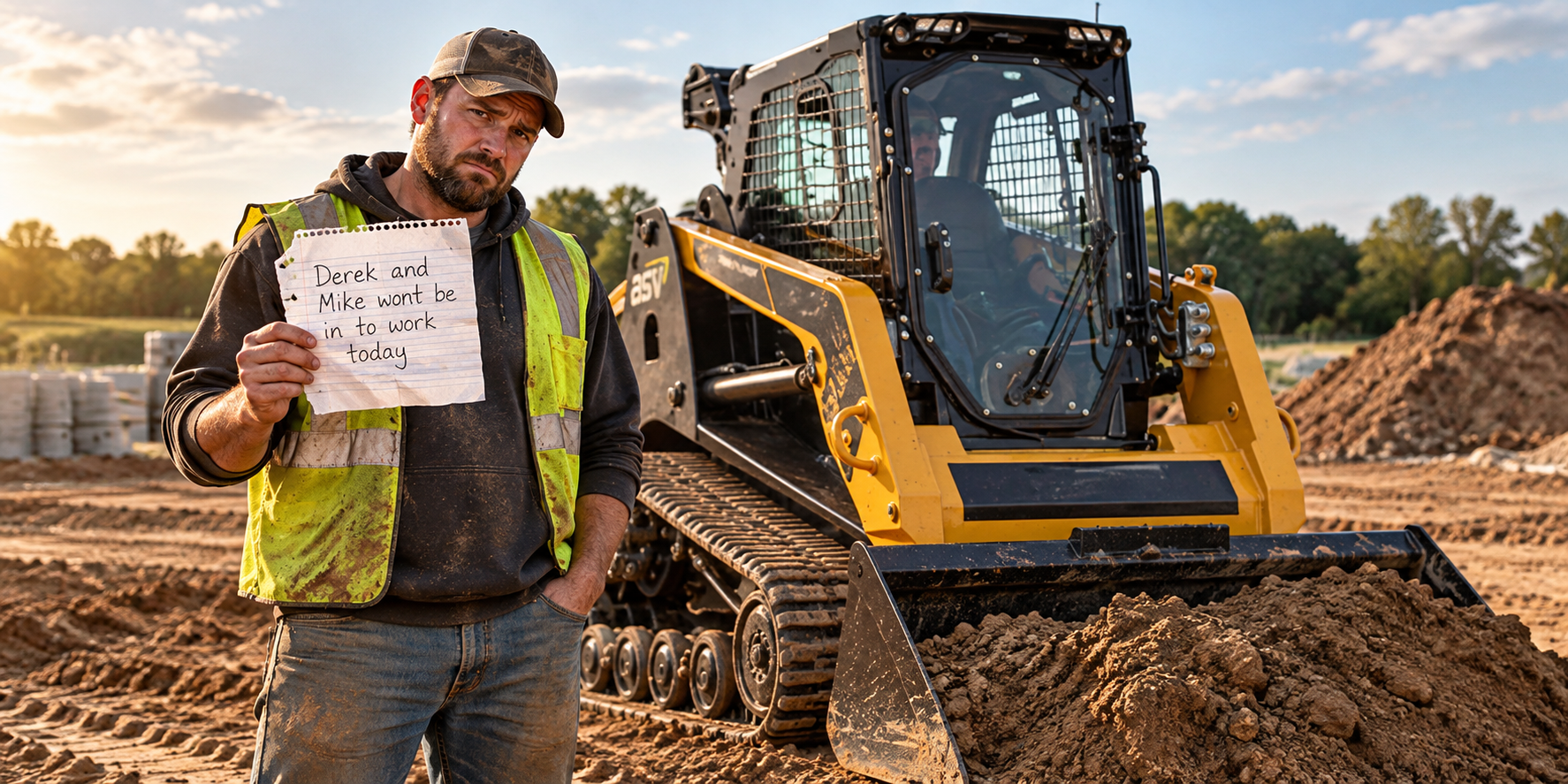
The Construction Industry Has a Labor Problem - Your Equipment Has to Pick Up the Slack
The construction industry has dealt with labor shortages for years, but in 2026 the problem continues to put pressure on contractors trying to keep projects moving, meet deadlines, and control costs.
Finding skilled operators, mechanics, equipment technicians, and experienced construction workers isn't getting any easier. For many contractors, the solution isn't simply hiring more people, because those people may not be available.
That makes the productivity of the workers and equipment you already have more important than ever.
When Labor Is Short, Equipment Can't Be Down
Think about how much work a compact track loader, mini excavator, or mini skid steer can accomplish with a single experienced operator.
One machine can grade, excavate, trench, move material, clear debris, load trucks, handle attachments, and perform jobs that would otherwise require considerably more manpower.
But that advantage disappears quickly when the machine goes down.
A damaged rubber track, worn sprocket, failing roller, or neglected undercarriage component doesn't just take a piece of equipment out of service. It can leave an operator waiting, slow the rest of the crew, delay another phase of the project, and potentially put a deadline at risk.
When contractors are already operating with smaller crews, equipment downtime becomes a labor problem too.
Get More Productivity From the Equipment You Already Own
Today's construction environment makes preventive maintenance increasingly valuable.
Before a machine heads onto the jobsite, operators should regularly inspect the tracks and undercarriage. Look for excessive tread wear, cuts, exposed cords, missing tread blocks, damaged track edges, abnormal vibration, loose track tension, worn sprocket teeth, leaking rollers, and other signs that a component may be approaching the end of its service life.
Replacing a worn component on your schedule is usually a much better situation than replacing a failed component on the jobsite.
It's also important to look at the undercarriage as a complete system.
Installing a new rubber track onto badly worn sprockets or damaged rollers can contribute to premature track wear. Likewise, improper track tension, debris packed into the undercarriage, and operating techniques such as unnecessary counter-rotation can shorten the life of tracks and other components.
A few minutes spent inspecting a machine can potentially save hours, or days of lost productivity later.
Your Equipment Is Part of Your Workforce
Contractors traditionally think about productivity in terms of employees and labor hours. Today's construction environment requires another perspective.
Your equipment is part of your workforce.
If you're running a five-person crew and one of your most productive machines goes down, you haven't simply lost a machine. You've potentially reduced the productivity of everyone depending on it.
That's why dependable equipment, preventive maintenance, and having access to replacement parts have become increasingly important.
Keep Your Machines Working With Prowler
At Prowler, we've spent more than 25 years helping equipment owners and contractors keep their machines moving.
Through RubberTrack.com, we supply premium-grade replacement rubber tracks and undercarriage components for thousands of makes and models of compact track loaders, mini excavators, mini skid steers, carriers, trenchers, and other tracked equipment.
From rubber tracks to sprockets, rollers, idlers, and other undercarriage components, our goal is simple:
Help contractors spend less time waiting on equipment and more time getting the job done.
Because when good workers are already difficult to find, the last thing you need is a perfectly good operator standing beside a machine that can't work.
Your crew is counting on your equipment. Make sure your equipment is ready to work as hard as they do.