Skid Steer Tire Sizes Explained: Width, Rim Size, and Diameter
Posted by Todd on Jan 28, 2026
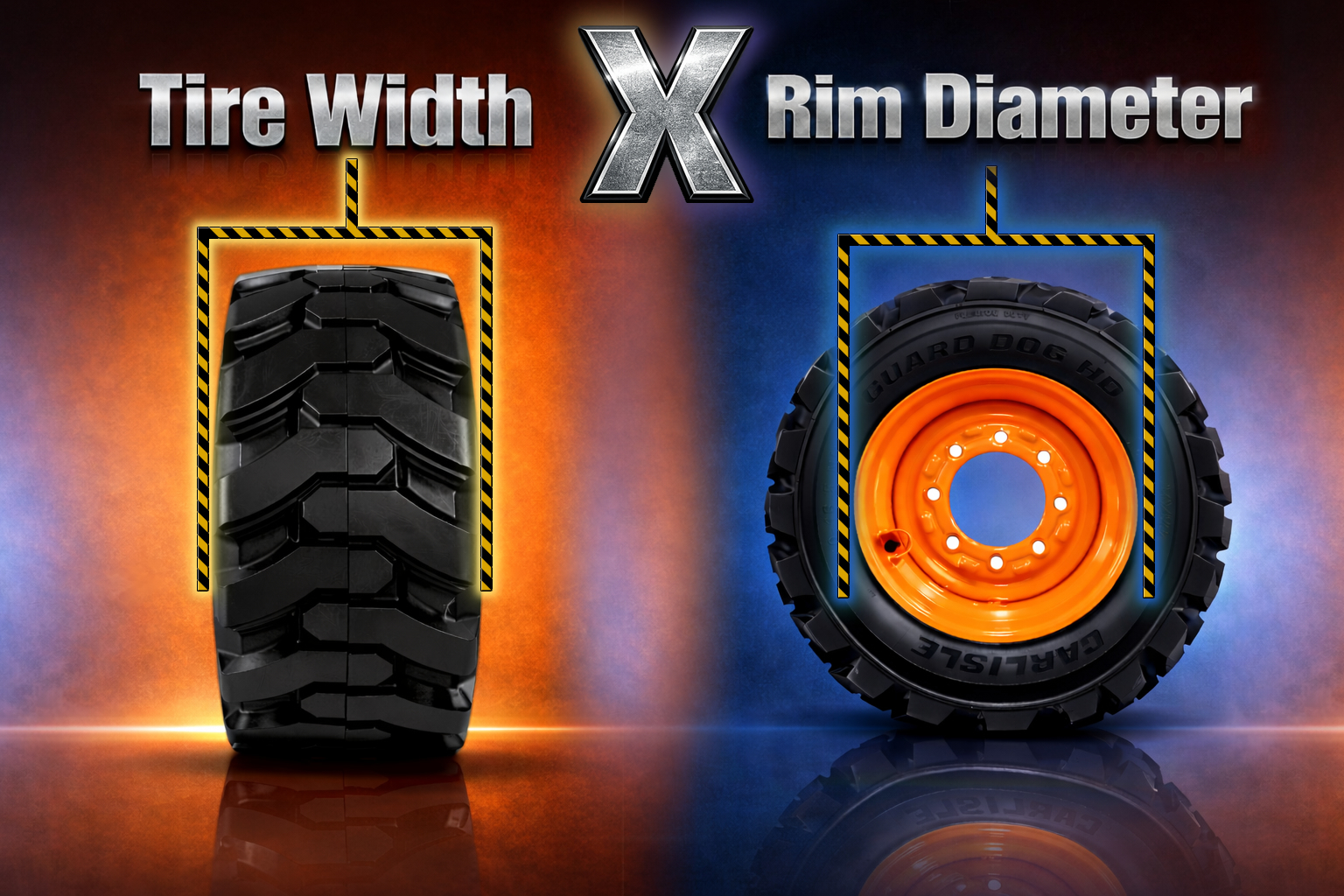
Skid Steer Tire Size Guide: How to Read Tire Numbers
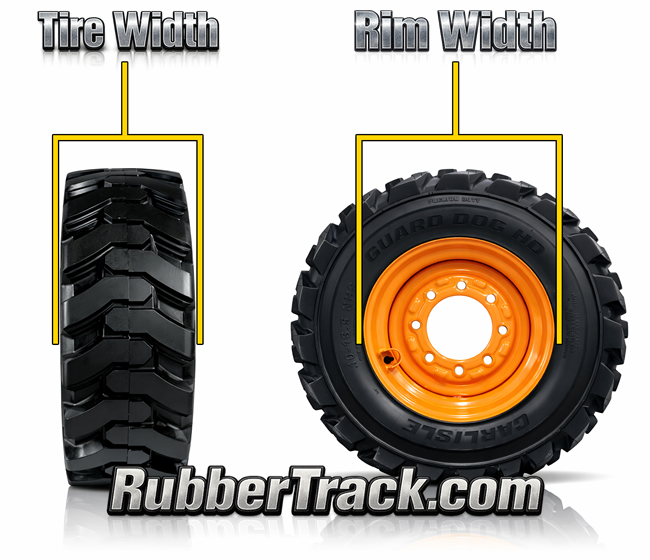 Skid steer tire sizes can look confusing at first, but once you understand what the numbers represent, it becomes easy to choose the correct tire for your machine. This guide explains how to read common pneumatic (air-filled) skid steer tire sizes, why outer diameter matters, and how solid (flat-proof) tire sizes are labeled differently.
How Pneumatic Skid Steer Tire Sizes Work
Skid steer tire sizing originally came from pneumatic (air-filled) tires, and today’s common sizes are still based on those standards. Most skid steer tires fall into three main pneumatic sizes:
- 10×16.5
- 12×16.5
- 14×17.5
These two numbers tell you the tire width and the rim diameter the tire fits on.
Breaking Down the Numbers
Using 10×16.5 as an example:
- 10 = tire width in inches
- 16.5 = rim diameter in inches
That means a 10×16.5 tire is 10 inches wide and mounts on a 16.5-inch rim. The same logic applies to other sizes:
- 12×16.5 = 12 inches wide, 16.5-inch rim
- 14×17.5 = 14 inches wide, 17.5-inch rim
Smaller skid steers commonly use 10×16.5 tires, mid-size machines often use 12×16.5, and larger high-horsepower machines may require 14×17.5 tires.
Why Outer Diameter Matters (Even Though It’s Not Listed)
Pneumatic tire sizes do not include the tire’s outer diameter (overall height), but it’s one of the most important measurements for performance. The wrong outer diameter can affect how your attachments sit and how efficiently your skid steer transfers power to the ground.
If the Tire Is Too Small
Tires with too small of an outer diameter can cause attachments (like buckets or grapples) not to sit level. You may have to lift the arms higher than normal just to prevent the attachment from dragging on the ground.
When lift arms are not fully seated against the machine frame, the machine is less rigid, which reduces digging and pushing performance.
If the Tire Is Too Large
Tires that are too tall can cause the attachment to hover above the ground even when the arms are fully lowered. To make contact, you may need to tilt the attachment forward more than normal, which can reduce power and increase stress on hydraulic components.
The goal is a tire size that allows the lift arms to sit fully down while the attachment rests flat on the ground.
How Solid (Flat-Proof) Skid Steer Tire Sizes Are Labeled
Solid skid steer tires are sized differently than pneumatic tires. Instead of two numbers, solid tire sizes use three numbers because they include the outer diameter.
Example: 30×10×16
- 30 = outer diameter in inches
- 10 = tire width in inches
- 16 = rim diameter in inches
So a 30×10×16 solid tire is 30 inches tall, 10 inches wide, and fits a 16-inch rim.
Why You’ll See 16 and 20 (Not 16.5 or 17.5)
Solid skid steer tires typically come in 16-inch or 20-inch rim sizes. You may see both of the following:
- 30×10×16
- 30×10×20
In these examples, the outer diameter stays the same (30 inches). Only the rim size changes. A smaller rim generally means more rubber, which often provides a more cushioned ride. A larger rim typically means less rubber, which can feel firmer.
Common Outer Diameter Ranges When Converting to Solid Tires
While exact measurements can vary by tread design and construction, these are common outer diameter ranges used when matching pneumatic sizes to solid tire sizes:
| Pneumatic Size | Common Solid Tire Outer Diameter |
|---|---|
| 10×16.5 | 30–31 inches |
| 12×16.5 | 32.5–33 inches |
| 14×17.5 | 36–36.5 inches |
Quick Summary
- Pneumatic tire sizes are written as Width × Rim Diameter (example: 12×16.5).
- Solid tire sizes are written as Outer Diameter × Width × Rim Diameter (example: 33×12×16).
- Outer diameter is critical for keeping attachments level and maintaining proper machine power.
- Rim size on solid tires affects ride firmness because it changes how much rubber is available.